Encapsulation và Constructor
1. Khái niệm
Encapsulation (đóng gói) là nguyên tắc che giấu trạng thái nội bộ của object, chỉ cho phép truy cập và thay đổi qua interface được kiểm soát.
Constructor là method đặc biệt chạy một lần duy nhất khi object được tạo bằng new — dùng để khởi tạo giá trị ban đầu cho fields.
public class BankAccount {
    private double balance; // encapsulation: field bị ẩn

    public BankAccount(double initialBalance) { // constructor
        if (initialBalance < 0) throw new IllegalArgumentException("Balance cannot be negative");
        this.balance = initialBalance;
    }

    public double getBalance() { return balance; } // truy cập được kiểm soát
}
2. Tại sao quan trọng
Không có encapsulation, bất kỳ code nào cũng có thể set field thành giá trị vô nghĩa:
// Không có encapsulation
account.balance = -99999; // không ai ngăn được điều này

// Có encapsulation
account.setBalance(-99999); // ném IllegalArgumentException — object tự bảo vệ
Hai nguyên tắc này cùng bảo vệ object invariants — tập hợp các điều kiện phải luôn đúng trong suốt vòng đời của object. Ví dụ: balance >= 0, name != null, age > 0.
Ngoài ra: - Tách biệt API khỏi implementation — thay đổi cách lưu dữ liệu bên trong mà không ảnh hưởng code bên ngoài - Dễ test — validate logic tập trung ở một chỗ thay vì rải rác khắp nơi - Dễ debug — object sai trạng thái? Chỉ cần kiểm tra setter và constructor
3. Access Modifiers
Access modifier kiểm soát ai được phép truy cập một field, method, hoặc class.
| Modifier | Trong class | Cùng package | Subclass | Mọi nơi |
|---|---|---|---|---|
private |
✓ | ✗ | ✗ | ✗ |
| (default) | ✓ | ✓ | ✗ | ✗ |
protected |
✓ | ✓ | ✓ | ✗ |
public |
✓ | ✓ | ✓ | ✓ |
Quy tắc mặc định
public class Product {
    private String name;      // chỉ trong class này
    private double price;     // chỉ trong class này
    int quantity;             // default: cùng package (hạn chế dùng)
    protected String sku;     // package + subclass (dùng khi kế thừa cần)
    public static final int MAX_STOCK = 1000; // hằng số — public là hợp lý
}
Nguyên tắc: luôn bắt đầu với private
Với fields: luôn private. Với methods: private trừ khi cần expose ra ngoài. Mở rộng access modifier sau dễ hơn thu hẹp — code đang dùng public field không thể đổi thành private mà không break.
protected không có nghĩa là \"an toàn hơn public\"
protected vẫn bị truy cập từ bất kỳ subclass nào — kể cả subclass ở package khác. Đừng nhầm tưởng nó là "semi-private". Chỉ dùng protected khi thiết kế inheritance hierarchy có chủ đích.
4. Encapsulation — Getters và Setters
Getters
Trả về giá trị của private field.
public class Person {
    private String name;
    private int age;
    private boolean active;

    public String getName()  { return name; }   // get + FieldName
    public int    getAge()   { return age; }
    public boolean isActive(){ return active; }  // is + FieldName cho boolean
}
Convention đặt tên getter
getFieldName() cho mọi kiểu. Riêng boolean dùng isFieldName(). Spring, JPA, Jackson đều dựa vào convention này để tự động bind/serialize object — sai tên là bug ngay.
Setters
Cho phép thay đổi field và kiểm tra tính hợp lệ.
public class Person {
    private String name;
    private int age;

    public void setName(String name) {
        if (name == null || name.isBlank())
            throw new IllegalArgumentException("Name must not be blank");
        this.name = name;
    }

    public void setAge(int age) {
        if (age < 0 || age > 150)
            throw new IllegalArgumentException("Age out of range: " + age);
        this.age = age;
    }
}
Khi nào không cần setter
Nếu field không bao giờ thay đổi sau khi tạo — đừng viết setter. Tạo ra setter không cần thiết là mở cửa cho lỗi.
public class Point {
    private final int x; // final — không thể thay đổi sau constructor
    private final int y;

    public Point(int x, int y) { this.x = x; this.y = y; }

    public int getX() { return x; }
    public int getY() { return y; }
    // không có setX(), setY()
}
5. Constructor
Cú pháp
public class Temperature {
    private double celsius;

    // Constructor: tên giống class, không có return type
    public Temperature(double celsius) {
        this.celsius = celsius;
    }
}

Temperature t = new Temperature(100.0); // gọi constructor
Default constructor
Khi không khai báo constructor nào, Java tự sinh ra một default constructor không tham số, không làm gì ngoài gọi super().
Định nghĩa constructor → default bị xóa
Ngay khi bạn khai báo bất kỳ constructor nào, Java không còn tự sinh default constructor.
Nếu cần cả hai: khai báo tường minh no-arg constructor.Thứ tự khởi tạo
Khi new chạy, ba việc xảy ra theo thứ tự:
- Cấp phát Heap — JVM tìm chỗ trống
- Gán giá trị mặc định cho tất cả fields (
0,null,false) - Chạy constructor body — ghi đè các giá trị mặc định
class Demo {
    int x;      // bước 2: x = 0
    String s;   // bước 2: s = null

    Demo() {
        x = 42;       // bước 3: x = 42
        s = "hello";  // bước 3: s = "hello"
    }
}
6. Constructor Overloading và this()
Overloading
Nhiều constructor với danh sách tham số khác nhau — Java chọn đúng cái khi gọi new.
public class Rectangle {
    private final int width;
    private final int height;

    public Rectangle(int width, int height) {
        this.width  = width;
        this.height = height;
    }

    public Rectangle(int side) {          // hình vuông
        this.width  = side;
        this.height = side;
    }

    public Rectangle() {                  // mặc định 1×1
        this.width  = 1;
        this.height = 1;
    }
}

new Rectangle(4, 6); // w=4 h=6
new Rectangle(5);    // w=5 h=5
new Rectangle();     // w=1 h=1
this() — constructor chaining
Gọi constructor khác trong cùng class. Phải là câu lệnh đầu tiên trong constructor.
public class Rectangle {
    private final int width;
    private final int height;

    public Rectangle(int width, int height) {
        this.width  = width;
        this.height = height;
    }

    public Rectangle(int side) {
        this(side, side);   // gọi Rectangle(int, int) — tránh lặp code
    }

    public Rectangle() {
        this(1, 1);         // gọi Rectangle(int, int)
    }
}
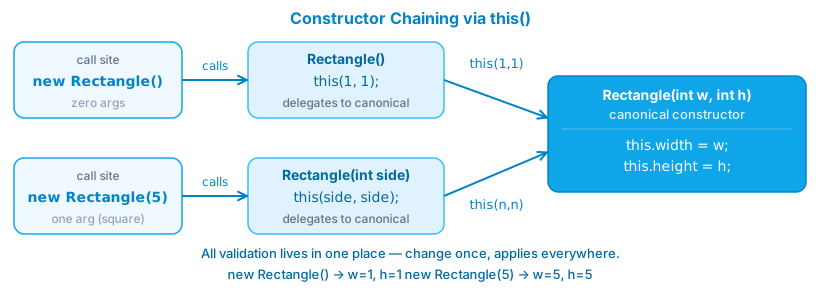
Dùng this() để tránh lặp logic khởi tạo
Thay vì copy-paste validation/assignment vào từng constructor, hãy để tất cả chạy qua constructor đầy đủ nhất. Khi logic thay đổi chỉ cần sửa một chỗ.
7. Immutability với final
Object immutable không thể thay đổi sau khi tạo. Toàn bộ Java standard library dùng pattern này: String, Integer, LocalDate.
public final class Money {             // final class — không thể extend
    private final String currency;     // final field — chỉ gán một lần
    private final long   amount;       // tính theo đơn vị nhỏ nhất (cents)

    public Money(String currency, long amount) {
        if (currency == null || currency.isBlank())
            throw new IllegalArgumentException("Currency required");
        if (amount < 0)
            throw new IllegalArgumentException("Amount cannot be negative");
        this.currency = currency;
        this.amount   = amount;
    }

    public String getCurrency() { return currency; }
    public long   getAmount()   { return amount; }

    // Thay vì mutate, trả về object mới
    public Money add(Money other) {
        if (!this.currency.equals(other.currency))
            throw new IllegalArgumentException("Currency mismatch");
        return new Money(currency, this.amount + other.amount);
    }

    @Override public String toString() {
        return currency + " " + (amount / 100.0);
    }
}
Lợi ích của immutability: - Thread-safe — không cần synchronize, không thể có race condition - Dễ lý luận — giá trị không bao giờ bất ngờ thay đổi - An toàn để cache và share — không ai modify được bản mà người khác đang dùng
Record (Java 16+) là cách nhanh nhất để tạo immutable class
record Money(String currency, long amount) {
    Money {  // compact constructor — validate
        if (currency == null || currency.isBlank())
            throw new IllegalArgumentException("Currency required");
        if (amount < 0)
            throw new IllegalArgumentException("Amount cannot be negative");
    }
}
final fields, getter theo tên field, toString(), equals(), hashCode().
8. Code ví dụ
Verified
Bản đầy đủ có thể compile: UserAccount.java
import java.util.Objects;

public final class UserAccount {

    private final String username;  // final: gán một lần trong constructor — identity không thể thay đổi
    private String       email;
    private int          loginCount;
    private boolean      active;

    // không có no-arg constructor — mọi UserAccount cần username + email hợp lệ ngay từ đầu
    public UserAccount(String username, String email) {
        this.username   = validateUsername(username);
        this.email      = validateEmail(email);
        this.loginCount = 0;
        this.active     = true;
    }

    // Private helper — validation tập trung, không lặp lại
    private static String validateUsername(String username) {
        if (username == null || username.isBlank())
            throw new IllegalArgumentException("Username must not be blank");
        if (username.length() < 3)
            throw new IllegalArgumentException("Username too short: " + username);
        return username.toLowerCase().trim();
    }

    private static String validateEmail(String email) {
        if (email == null || !email.contains("@"))
            throw new IllegalArgumentException("Invalid email: " + email);
        return email.toLowerCase().trim();
    }

    // Getters
    public String  getUsername()   { return username; }
    public String  getEmail()      { return email; }
    public int     getLoginCount() { return loginCount; }
    public boolean isActive()      { return active; }

    // Setter với validation
    public void setEmail(String email) {
        this.email = validateEmail(email); // tái sử dụng validation — chỉ một chỗ cần sửa khi đổi rule
    }

    // Behavior method — thay đổi state theo logic nghiệp vụ
    public void recordLogin() {
        if (!active) throw new IllegalStateException("Account is deactivated");
        loginCount++;
    }

    public void deactivate() {
        this.active = false;
    }

    @Override
    public String toString() {
        return "UserAccount{username='" + username + "', email='" + email
               + "', logins=" + loginCount + ", active=" + active + "}";
    }

    @Override
    public boolean equals(Object o) {
        if (this == o) return true;
        if (!(o instanceof UserAccount u)) return false;
        return username.equals(u.username); // bằng nhau theo username, không phải email hay loginCount
    }

    @Override
    public int hashCode() { return Objects.hash(username); }

    public static void main(String[] args) {
        UserAccount alice = new UserAccount("Alice_Dev", "alice@example.com");
        System.out.println(alice);       // UserAccount{username='alice_dev', ...}

        alice.recordLogin();
        alice.recordLogin();
        System.out.println(alice.getLoginCount()); // 2

        alice.setEmail("alice@newdomain.com");

        // alice.username = "hacker"; // ❌ lỗi compile — private final

        alice.deactivate();
        try {
            alice.recordLogin();         // ❌ IllegalStateException
        } catch (IllegalStateException e) {
            System.out.println(e.getMessage()); // Account is deactivated
        }
    }
}
9. Lỗi thường gặp
Lỗi 1 — Public fields, không encapsulation
// ❌ bất kỳ code nào cũng viết trực tiếp vào field
public class Circle {
    public double radius;
}

Circle c = new Circle();
c.radius = -5; // vô nghĩa, không ai ngăn được

// ✅
public class Circle {
    private double radius;
    public Circle(double radius) {
        if (radius <= 0) throw new IllegalArgumentException("Radius must be positive");
        this.radius = radius;
    }
    public double getRadius() { return radius; }
}
Lỗi 2 — Quên rằng khai báo constructor xóa mất default
class Config {
    String host;
    int port;

    Config(String host, int port) {
        this.host = host;
        this.port = port;
    }
}

Config c = new Config(); // ❌ lỗi compile — không còn no-arg constructor

// ✅ khai báo tường minh nếu cần
Config() { this("localhost", 8080); }
Lỗi 3 — Getter trả về reference đến mutable object
// ❌ caller có thể modify list nội bộ
public class Team {
    private List<String> members = new ArrayList<>();

    public List<String> getMembers() {
        return members; // nguy hiểm — caller gọi .clear() là mất hết
    }
}

// ✅ trả về bản sao bất biến
public List<String> getMembers() {
    return Collections.unmodifiableList(members);
}
Lỗi 4 — this() không phải câu lệnh đầu tiên
public Rectangle(int side) {
    System.out.println("Creating square"); // ❌ lỗi compile
    this(side, side); // this() phải là dòng đầu tiên
}

// ✅
public Rectangle(int side) {
    this(side, side); // dòng đầu tiên
}
Lỗi 5 — Setter không validate, getter expose internal state
public void setAge(int age) {
    this.age = age; // ❌ age = -999 cũng chấp nhận
}

public Date getBirthDate() {
    return birthDate; // ❌ Date là mutable — caller thay đổi được
}

// ✅
public void setAge(int age) {
    if (age < 0 || age > 150) throw new IllegalArgumentException("Invalid age: " + age);
    this.age = age;
}

public Date getBirthDate() {
    return new Date(birthDate.getTime()); // trả về defensive copy
}
10. Câu hỏi phỏng vấn
Q1: Encapsulation là gì và tại sao quan trọng?
Encapsulation là nguyên tắc che giấu implementation của object, chỉ expose những gì cần thiết qua public interface. Quan trọng vì: (1) bảo vệ object invariants — field không thể bị set thành giá trị vô nghĩa, (2) tách biệt API khỏi implementation — thay đổi bên trong mà không break caller, (3) tập trung validation vào một chỗ thay vì rải rác toàn codebase.
Q2: Sự khác nhau giữa private, protected, default và public?
Phạm vi truy cập tăng dần:
private(chỉ trong class) →default/package-private (cùng package) →protected(package + subclass bất kỳ đâu) →public(mọi nơi). Best practice: fields luônprivate, chỉ mở rộng khi thực sự cần và có lý do rõ ràng.
Q3: Default constructor là gì? Khi nào nó bị xóa?
Default constructor là no-arg constructor (
ClassName() {}) mà Java tự sinh ra khi class không khai báo constructor nào. Nó bị xóa ngay khi bạn khai báo bất kỳ constructor nào — kể cả constructor có tham số. Nếu cần no-arg constructor kết hợp với constructor có tham số, phải khai báo tường minh cả hai.
Q4: this() khác this như thế nào?
thislà reference đến object hiện tại — dùng để truy cập field/method của instance.this()là lời gọi đến constructor khác trong cùng class — phải là câu lệnh đầu tiên trong constructor, dùng để tránh lặp logic khởi tạo (constructor chaining). Không thể dùng cả hai trong cùng một câu lệnh.
Q5: Immutable class là gì? Cách tạo?
Immutable class là class mà object của nó không thể thay đổi sau khi tạo. Cách tạo: (1) khai báo class là
finalđể ngăn subclass phá vỡ immutability, (2) tất cả fields làprivate final, (3) không có setters, (4) constructor validate toàn bộ input, (5) nếu field là mutable object, trả về defensive copy trong getter. Lợi ích: thread-safe mà không cần synchronization.
Q6: Tại sao getter trả về List mutable lại nguy hiểm?
Vì caller có thể gọi
.add(),.remove(),.clear()trực tiếp trên list nội bộ của object — phá vỡ encapsulation hoàn toàn mà không cần setter nào. Fix: trả vềCollections.unmodifiableList(list)hoặcList.copyOf(list)để caller chỉ đọc được, không sửa được.
11. Tài liệu tham khảo
| Tài liệu | Nội dung |
|---|---|
| Oracle Tutorial — Controlling Access | Access modifiers chính thức |
| JEP 395 — Records | Cách nhanh nhất tạo immutable class |
| Effective Java — Joshua Bloch | Item 15: Minimize mutability · Item 16: Favor composition · Item 17: Design for inheritance |
| Clean Code — Robert C. Martin | Chapter 6: Objects and Data Structures — Law of Demeter |